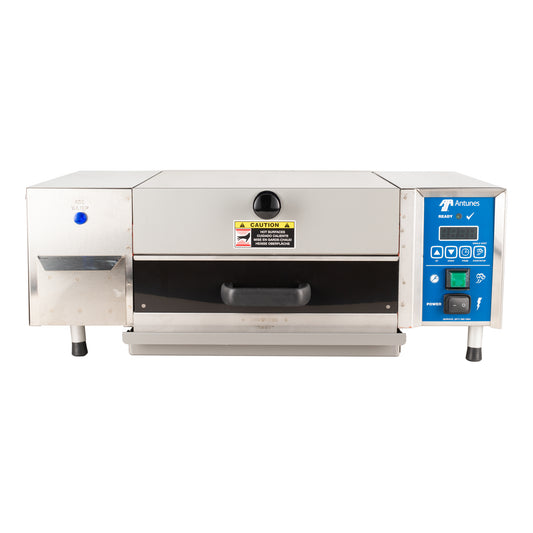
Commercial steamers provide fast, consistent cooking using steam to prepare vegetables, seafood, proteins, rice and other menu items while helping food retain moisture throughout cooking. Built for professional foodservice, countertop steamers can add productive cooking capacity without taking up the footprint of larger floor equipment.
Whether you are adding steam cooking to an existing line or planning a broader kitchen equipment package, compare commercial steamers based on capacity, steam-generation method, electrical requirements and how the unit fits alongside equipment such as commercial ovens, commercial ranges and commercial grills.
Where commercial steamers fit in foodservice
-
Vegetables and sides: cook vegetables, potatoes and other sides quickly without submerging them in water
-
Seafood and proteins: provide moist cooking for fish, shellfish and selected proteins
-
Batch production: prepare multiple portions efficiently for restaurants, healthcare, education and institutional foodservice
-
À la carte cooking: use countertop steamers for fast cooking and reheating during service
-
Kitchen flexibility: add another cooking method to the hot line without relying entirely on ovens, ranges or boiling water
What to compare when choosing a commercial steamer
-
Pan capacity: consider how much food needs to be cooked at once and how that capacity matches peak production
-
Steam generation: compare boilerless units with models that use an integrated electric steam generator
-
Electrical requirements: confirm voltage and phase requirements before selecting a unit
-
Water and installation: check the manufacturer’s water, drain, ventilation and installation requirements for the specific model
-
Footprint: make sure the steamer fits the available countertop or equipment-stand space
-
Workflow: consider loading, unloading and access to food pans during busy production periods
Countertop commercial steamers
Countertop steamers can bring high-output steam cooking to kitchens where floor space is limited or where steam is one part of a larger cooking lineup. They are well suited to restaurants, healthcare facilities, schools, cafeterias and other operations that need repeatable production from a relatively compact footprint.
The Russell Hendrix assortment includes commercial countertop steamers from Cleveland, Garland and Antunes, with configurations ranging from compact rapid-steaming equipment to multi-pan convection steamers.
Boilerless and steam-generator models
One of the key decisions when comparing commercial steamers is how the equipment produces steam.
Boilerless steamers generate steam within the cooking compartment rather than relying on a separate boiler. Their comparatively straightforward design can make them an attractive option for operations looking for commercial steaming capacity in a compact package.
Steam-generator convection steamers use a dedicated steam generator to supply the cooking compartment. These units are designed for operations that depend on consistent steam production as part of regular foodservice volume.
Neither format is automatically right for every kitchen. Production volume, menu, available utilities, water conditions and maintenance requirements should all be considered before choosing.
Commercial steamers for different operations
Restaurants can use steamers for vegetables, seafood, sides and other menu components that need quick, moist cooking. Healthcare, education and institutional kitchens may place greater emphasis on batch capacity, consistency and repeatable production across scheduled meal periods.
Because steamers often form one part of a larger cook line, it is also worth considering how the equipment will work alongside commercial ovens, commercial ranges, commercial grills and other cooking equipment.
Planning beyond the steamer
Choosing a commercial steamer involves more than pan capacity. Electrical service, water quality, drainage, installation requirements and daily production can all affect which model makes sense for an operation.
Pay particular attention to the specifications of the individual unit before purchase. Voltage and phase vary across the commercial steamers in this collection, making compatibility with the kitchen’s available utilities an important part of equipment selection.
Need help choosing the right commercial steamer?
If you are comparing countertop steamers, boilerless models or steam-generator configurations, Russell Hendrix can help you evaluate capacity, utilities and installation requirements and choose equipment suited to your kitchen and production needs.
Frequently asked questions about commercial steamers
What is a commercial steamer used for?
Commercial steamers use steam to cook foods such as vegetables, seafood, proteins, rice and other menu components. They are commonly used where kitchens need fast, moist cooking and repeatable batch production.
What is a countertop commercial steamer?
A countertop commercial steamer provides steam-cooking capacity in a relatively compact format designed to sit on a counter or suitable equipment stand. It can be useful when floor space is limited or when steam cooking supplements other equipment on the cook line.
What is the difference between a boilerless steamer and a steam-generator steamer?
A boilerless steamer generates steam without a separate boiler, while a steam-generator model uses a dedicated generator to produce steam for the cooking compartment. Installation, water requirements, maintenance and production needs can influence which approach is best for a particular kitchen.
How do I choose the right size commercial steamer?
Start with production volume and pan capacity. Consider how many batches need to be prepared during peak periods, the foods being cooked and whether the steamer will be used continuously or only for specific menu items.
Do commercial steamers require a water connection and drain?
Requirements vary by model. Some commercial steamers require specific water and drainage connections, while other designs have different installation requirements. Always check the individual product specifications before purchase.
What should I check before buying a commercial steamer?
Confirm pan capacity, dimensions, voltage, phase, water and drainage requirements, installation clearances and the manufacturer’s recommended operating conditions. These factors are especially important when replacing an existing steamer or adding one to an established cook line.