-
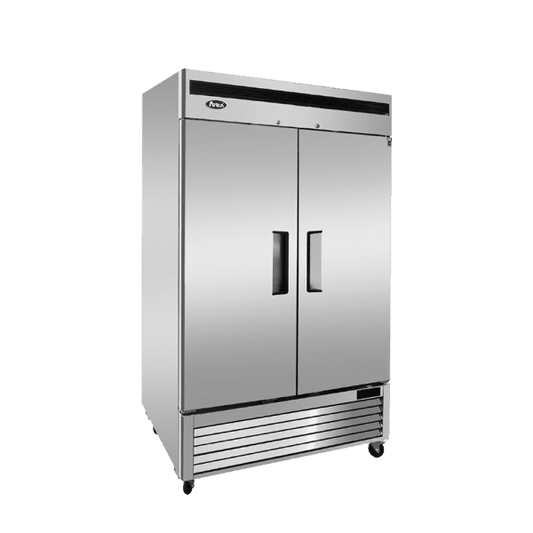
Atosa MBF8507GR Bottom Mount Double Stainless Steel Door Reach-In Refrigerator, 55", 115/60/1 - MBF8507GR
SKU: 3502/MBF8507GR1-3 Week Lead TimeRegular price $3,731.00 CADSale price $3,731.00 CAD Regular priceUnit price per$0.00 CAD -
Available to shipRegular price $4,807.38 CADSale price $4,807.38 CAD Regular priceUnit price per
$0.00 CAD -
Available to shipRegular price $6,450.88 CADSale price $6,450.88 CAD Regular priceUnit price per
$0.00 CAD -
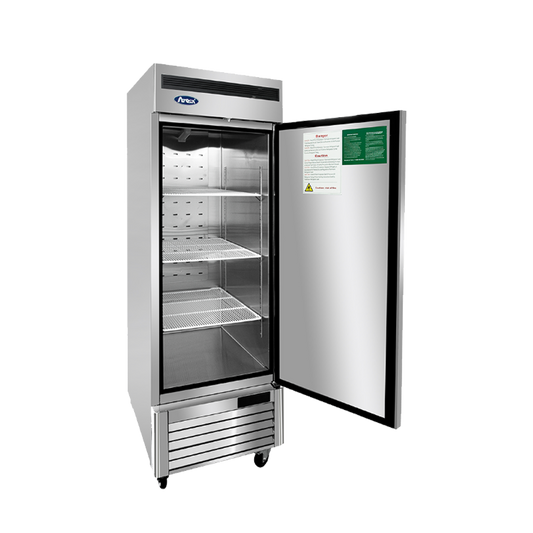
Atosa MBF8505GR Bottom Mount Single Stainless Steel Door Reach-In Refrigerator, 27", 115/60/1 - MBF8505GR
SKU: 3502/MBF8505GR1-3 Week Lead TimeRegular price $2,634.00 CADSale price $2,634.00 CAD Regular priceUnit price per$0.00 CAD -
True T-Series Single Full Door Reach-In Refrigerator, Left Hinge, 28", 115V - T-23-HC(LH)
SKU: 318/T-23-HC(LH)Available to shipRegular price $4,807.38 CADSale price $4,807.38 CAD Regular priceUnit price per$0.00 CAD -
35% offFinal Sale
Delfield CSRPT2P-S Coolscapes Pass-Thru Refrigerator, Stainless Steel Doors, FINAL SALE - CSRPT2P-S
SKU: 085/CSRPT2P-SAvailable to shipRegular price $10,647.53 CADSale price $10,647.53 CAD Regular priceUnit price per$16,461.94 CADSale -
35% offFinal Sale
Kool-It KBSR-2 Signature Double Door Bottom Mount Refrigerator, 54", 120/60/1, FINAL SALE - KBSR-2
SKU: 052/KBSR-2Available to shipRegular price $4,557.12 CADSale price $4,557.12 CAD Regular priceUnit price per$7,045.68 CADSale -

EFI X-Line C1-27VCX 27" Reach-In Single Solid Door Refrigerator, Stainless Steel - C1-27VCX
SKU: 1009/C1-27VCX1-3 Week Lead TimeRegular price $2,155.00 CADSale price $2,155.00 CAD Regular priceUnit price per$0.00 CADSold out -

EFI X-Line C3-82VCX 78" Reach-In Triple Solid Door Refrigerator, Stainless Steel - C3-82VCX
SKU: 1009/C3-82VCX1-3 Week Lead TimeRegular price $3,755.00 CADSale price $3,755.00 CAD Regular priceUnit price per$0.00 CADSold out -
Hoshizaki R1A-FS Steelheart Series Single Stainless Steel Door Reach-In Refrigerator, 27", 115V - R1A-FS
SKU: 3233S/R1A-FS1-3 Week Lead TimeRegular price $8,153.79 CADSale price $8,153.79 CAD Regular priceUnit price per$0.00 CAD -
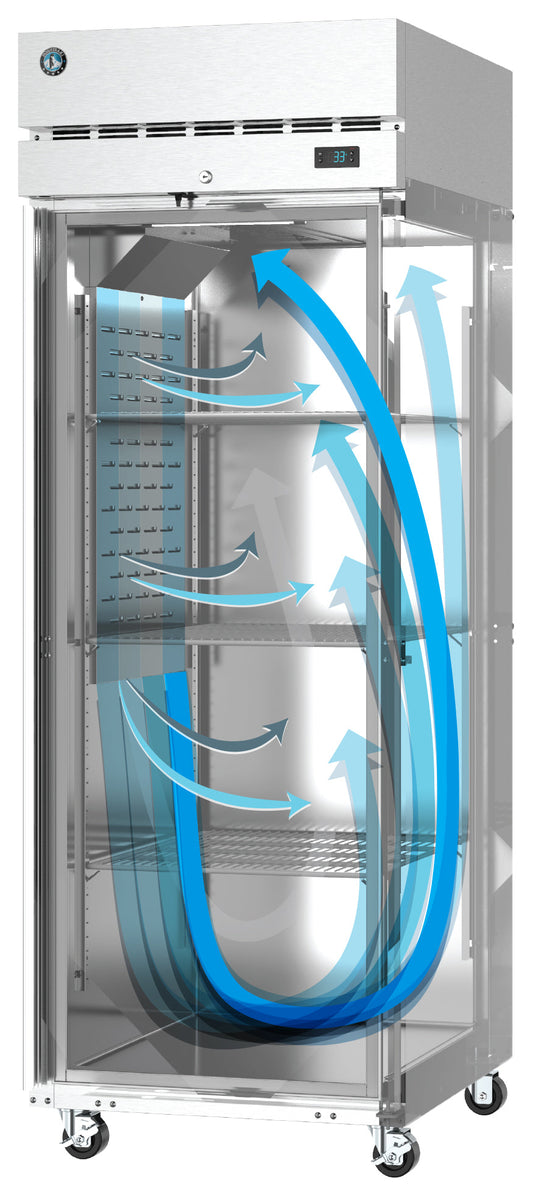
Hoshizaki R2A-FG Steelheart Series Double Glass Door Reach-In Refrigerator, 55", 115 V - R2A-FG
SKU: 3233/R2A-FGAvailable to shipRegular price $12,982.89 CADSale price $12,982.89 CAD Regular priceUnit price per$0.00 CAD -
Available to shipRegular price $6,068.98 CADSale price $6,068.98 CAD Regular priceUnit price per
$0.00 CAD -
Made in Canada
Habco Dependable Series Commercial Freezer, Single Stainless Steel Door, 24 CuFt - SF24HCSA
SKU: 463/SF24HCSAAvailable to shipRegular price $5,092.06 CADSale price $5,092.06 CAD Regular priceUnit price per$0.00 CAD -
Made in Canada
Habco Dependable Series Refrigerator, Single Stainless Steel Door, 24 CuFt - SE24HCSA
SKU: 463/SE24HCSA1-3 Week Lead TimeRegular price $4,027.10 CADSale price $4,027.10 CAD Regular priceUnit price per$0.00 CAD -
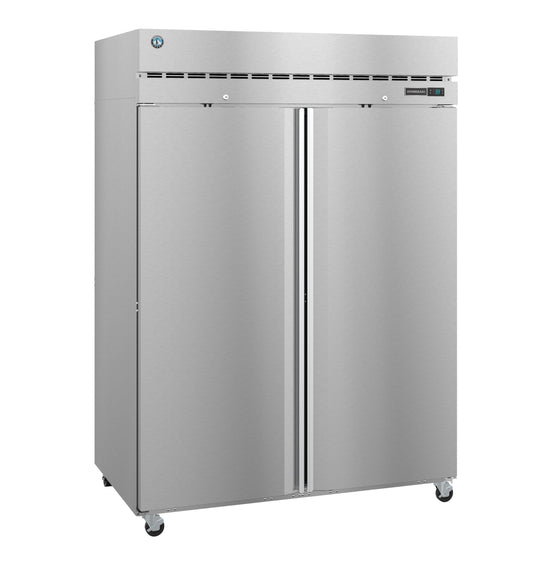
Hoshizaki R2A-FS Steelheart Series Double Stainless Steel Door Reach-In Refrigerator, 55", 115 V - R2A-FS
SKU: 3233S/R2A-FS1-3 Week Lead TimeRegular price $10,852.64 CADSale price $10,852.64 CAD Regular priceUnit price per$0.00 CAD -
1-3 Week Lead TimeRegular price $4,189.12 CADSale price $4,189.12 CAD Regular priceUnit price per
$0.00 CAD