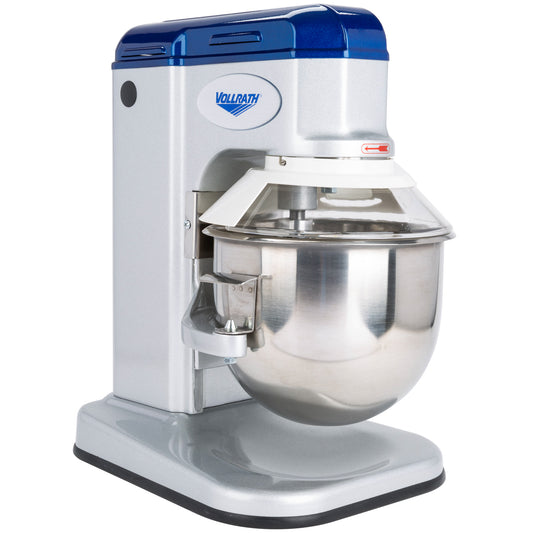
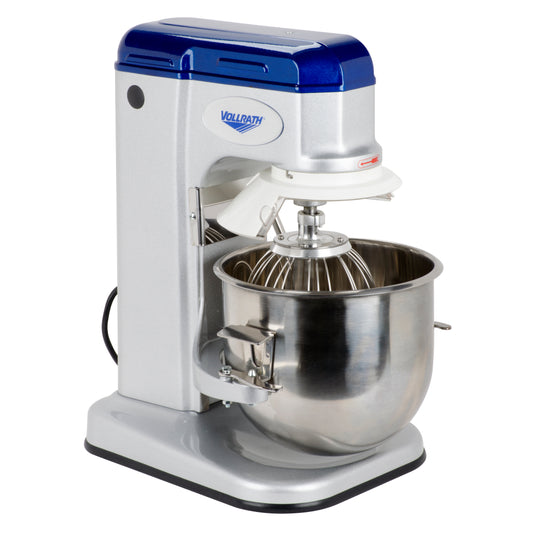
Shop commercial mixers for bakeries, restaurants, pizza programs, commissaries and foodservice kitchens that need dependable mixing for dough, batter, whipped ingredients and prep production. This collection is designed to help operators compare mixer types and capacities for everything from light daily prep to heavier baking and dough applications.
Whether you are outfitting a bakery, adding a mixer to a prep kitchen or replacing an older unit, use this page to compare commercial mixers by application, bowl capacity, workflow and attachment support.
Types of commercial mixers in this collection
Use the filters on this page to narrow by mixer type, brand, availability and price.
-
Planetary mixers: versatile mixers for batters, whipped products, fillings, mashed items and general kitchen prep
-
Spiral mixers: dough-focused mixers designed for bread, pizza and other higher-volume dough production
-
Mixer accessories: bowls, hooks, whips, paddles, guards and other support items for setup and replacement needs
How to choose the right commercial mixer
-
Start with what you are mixing: dough, batter, whipped ingredients and general prep do not all require the same mixer style
-
Look at batch size: bowl capacity should match your typical production volume, not just your smallest jobs
-
Think about frequency of use: daily production kitchens and bakeries may need a more durable setup than occasional-use stations
-
Plan for attachments: bowls, paddles, dough hooks and whips all affect how flexible the mixer will be
-
Match the mixer to workflow: countertop and floor models can affect station layout, loading and staff efficiency
A strong fit for both prep kitchens and bakeries
Commercial mixers are used well beyond dedicated bakeries. Restaurants, schools, healthcare kitchens, commissaries and pizzerias all rely on mixers for prep tasks that need consistency, speed and less manual labour.
For bakeries and dough-heavy programs, a mixer can become a central production tool. For general foodservice kitchens, it may be more about flexibility — supporting sauces, batters, whipped products and occasional dough work in one machine.
Why mixer accessories matter
Bowls, hooks, whips, paddles and related accessories can make a big difference in how useful a mixer is day to day. A mixer should be evaluated not just by motor power or bowl size, but by whether it supports the tools and replacement parts your operation will actually use.
Need help finding the right commercial mixer?
If you are not sure which mixer type, capacity or accessory setup best fits your kitchen or bakery, Russell Hendrix can help guide you toward the right commercial mixing solution.
Frequently asked questions about commercial mixers
What is the difference between a planetary mixer and a spiral mixer?
A planetary mixer is generally more versatile for mixed kitchen tasks such as batters, whipped ingredients and general prep. A spiral mixer is more specialized for dough production, especially in bakeries and pizza operations.
Who should use a commercial mixer?
Commercial mixers are a strong fit for bakeries, restaurants, commissaries, pizzerias, schools, healthcare kitchens and other foodservice operations that need reliable batch mixing.
How do I choose the right mixer size?
Start with your typical batch size, the products you make most often and how frequently the mixer will be used. A mixer that is too small can slow production, while an oversized unit may take up more space than your workflow requires.
Can Russell Hendrix help me choose the right mixer and accessories?
Yes. If you are comparing mixer types, bowl capacities or accessories, Russell Hendrix can help guide you toward the right option for your operation.