-
Available to shipRegular price $46.29 CADSale price $46.29 CAD Regular priceUnit price per
$0.00 CAD -
TableCraft Magnetic Knife Holder Strip, 24", Black - 2924P
SKU: 558/2924PAvailable to shipRegular price $33.76 CADSale price $33.76 CAD Regular priceUnit price per$0.00 CAD -
TableCraft Magnetic Knife Holder Strip, 18", Black - 2918P
SKU: 558/2918PAvailable to shipRegular price $26.42 CADSale price $26.42 CAD Regular priceUnit price per$0.00 CAD -
TableCraft Magnetic Knife Holder Strip, 13.5", Black - 2913P
SKU: 558/2913P1-3 Week Lead TimeRegular price $19.10 CADSale price $19.10 CAD Regular priceUnit price per$0.00 CADSold out -
Omcan Knife Rack, Holds 12 Knives, 1 Cleaver & 1 Sharpening Steel, Plastic, Grey - 11545
SKU: 141/11545Available to shipRegular price $43.20 CADSale price $43.20 CAD Regular priceUnit price per$0.00 CAD -
Omcan Knife Rack, Holds 12 Knives, 1 Cleaver & 1 Sharpening Steel, Plastic, Black - 11540
SKU: 141/11540Available to shipRegular price $44.30 CADSale price $44.30 CAD Regular priceUnit price per$0.00 CAD -
52% offFinal Sale
Mercer Knife Roll with 7 Pockets, Pink, FINAL SALE - M30007PK
SKU: 1196/M30007PKAvailable to shipRegular price $38.18 CADSale price $38.18 CAD Regular priceUnit price per$80.03 CADSale -
52% offFinal Sale
Mercer Knife Roll with 7 Pockets, Houndstooth, FINAL SALE - M30007HT
SKU: 1196/M30007HTAvailable to shipRegular price $38.18 CADSale price $38.18 CAD Regular priceUnit price per$80.03 CADSale -
54% offFinal Sale
Mercer Knife Roll with 7 Pockets, Blue, FINAL SALE - M30007BL
SKU: 1196/M30007BLAvailable to shipRegular price $36.23 CADSale price $36.23 CAD Regular priceUnit price per$80.03 CADSale -
Browne Magnetic Knife Rack, 24", Wood - MTH24
SKU: 016/MTH24Available to shipRegular price $36.57 CADSale price $36.57 CAD Regular priceUnit price per$0.00 CAD -
Browne Magnetic Knife Rack, 18", Wood - MTH18
SKU: 016/MTH18Available to shipRegular price $32.92 CADSale price $32.92 CAD Regular priceUnit price per$0.00 CAD -
Browne Magnetic Knife Rack, 12", Wood - MTH12
SKU: 016/MTH12Available to shipRegular price $23.86 CADSale price $23.86 CAD Regular priceUnit price per$0.00 CAD -
San Jamar Saf-T-Knife Station Knife Storage, Clear/Blue - STK1008
SKU: 702/STK1008Available to shipRegular price $88.13 CADSale price $88.13 CAD Regular priceUnit price per$0.00 CAD -
TableCraft 12 Knife Storage Rack, Grey Plastic - PKR-1
SKU: 558/PKR-1Available to shipRegular price $35.60 CADSale price $35.60 CAD Regular priceUnit price per$0.00 CAD -
Zwilling TWIN Knife Roll, 7 Slots, Black - 1018548
SKU: 003/1018548Available to shipRegular price $40.76 CADSale price $40.76 CAD Regular priceUnit price per$0.00 CAD -
42% offFinal SaleAvailable to shipRegular price $148.30 CADSale price $148.30 CAD Regular priceUnit price per
$255.74 CADSale -
Available to shipRegular price $158.62 CADSale price $158.62 CAD Regular priceUnit price per
$0.00 CAD -
F. Dick Knife Roll Bag with 17 Pockets, Black - 5612
SKU: 092/56121-3 Week Lead TimeRegular price $55.74 CADSale price $55.74 CAD Regular priceUnit price per$0.00 CAD -
Omcan Plastic Knife Holder, 4" x 13" x 16", Yellow - 11544
SKU: 141/115441-3 Week Lead TimeRegular price $44.30 CADSale price $44.30 CAD Regular priceUnit price per$0.00 CAD -
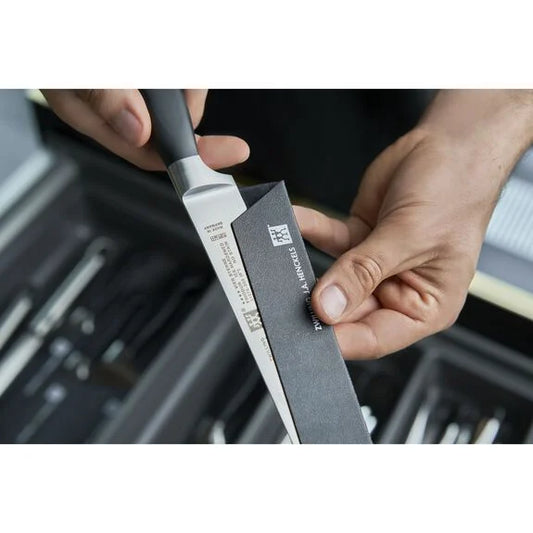
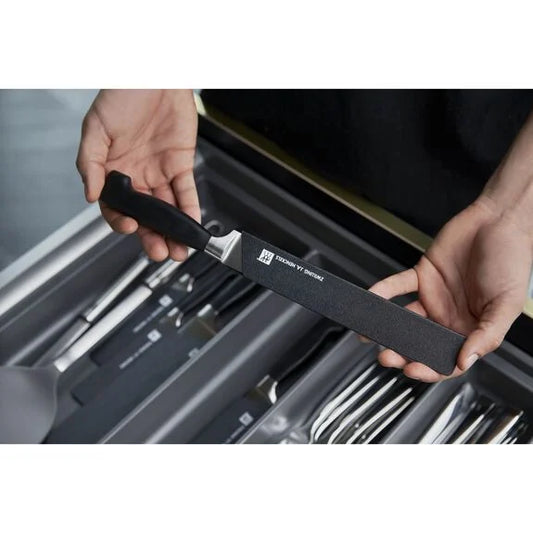
Zwilling TWIN Knife Sheath, 8" x 2" - 1001348
SKU: 003/1001348Available to shipRegular price $15.56 CADSale price $15.56 CAD Regular priceUnit price per$0.00 CAD -
46% offFinal Sale
Zwilling TWIN Knife Sheath, 10" x 2", FINAL SALE - 1001349
SKU: 003/1001349Available to shipRegular price $11.51 CADSale price $11.51 CAD Regular priceUnit price per$21.40 CADSale -
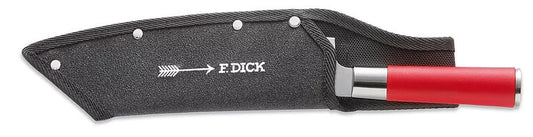
F. Dick Red Spirit Ajax Knife Sheath, Black - 9013100
SKU: 092/9013100Available to shipRegular price $29.08 CADSale price $29.08 CAD Regular priceUnit price per$0.00 CAD -
F. Dick 1905 Ajax Chef/Butcher Knife Sheath, Black - 9013600
SKU: 092/9013600Available to shipRegular price $29.26 CADSale price $29.26 CAD Regular priceUnit price per$0.00 CAD -
F. Dick Blade Guard, 6.5", White - 9900003
SKU: 092/9900003Available to shipRegular price $6.78 CADSale price $6.78 CAD Regular priceUnit price per$0.00 CAD