-
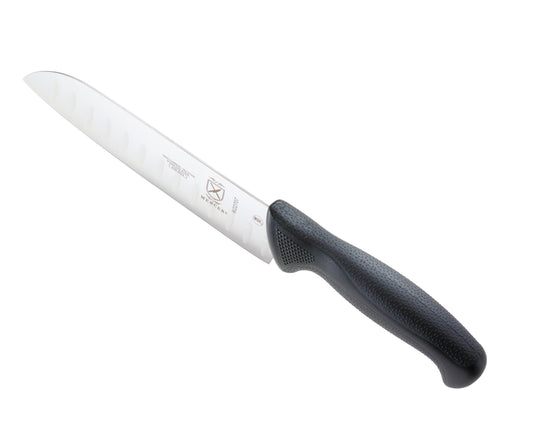
Mercer Millennia Santoku Knife, Granton Edge, 7", Black - M22707
SKU: 1196/M22707Available to shipRegular price $43.68 CADSale price $43.68 CAD Regular priceUnit price per$0.00 CAD -
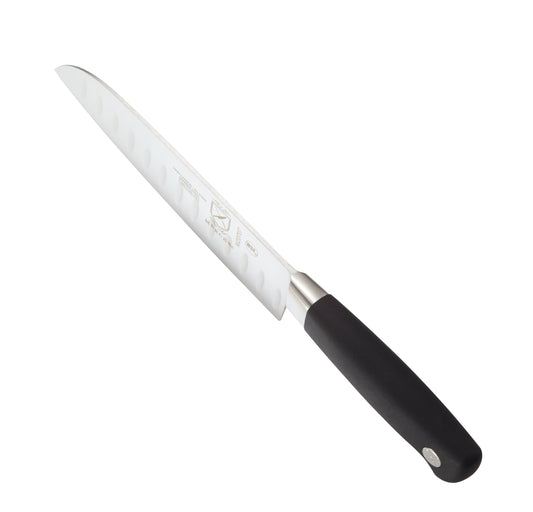
Mercer Genesis Santoku, Granton Edge, 7", Black - M20707
SKU: 1196/M20707Available to shipRegular price $87.88 CADSale price $87.88 CAD Regular priceUnit price per$0.00 CAD -
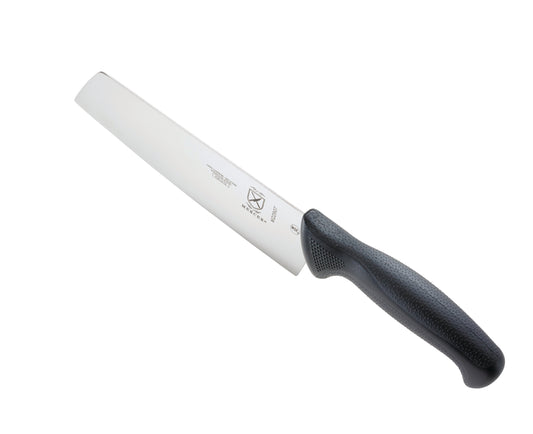
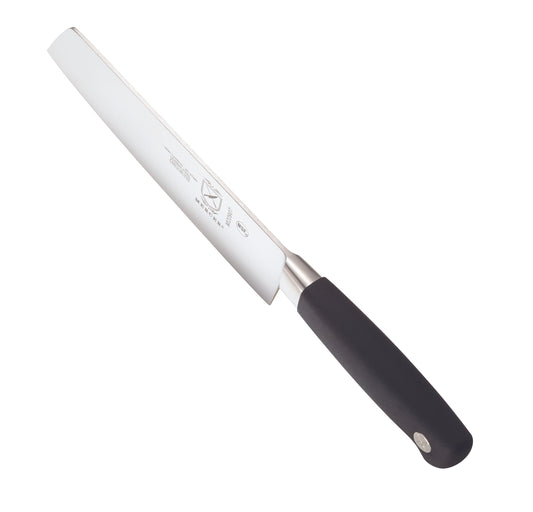
Mercer Millennia Nakiri Knife, 7", Black - M22907
SKU: 1196/M22907Available to shipRegular price $42.68 CADSale price $42.68 CAD Regular priceUnit price per$0.00 CAD -
F. Dick 1905 Santoku Knife, Kullenschliff Edge, 7", Black - 8194218K
SKU: 092/8194218KAvailable to shipRegular price $182.17 CADSale price $182.17 CAD Regular priceUnit price per$0.00 CAD -
Available to shipRegular price $63.40 CADSale price $63.40 CAD Regular priceUnit price per
$0.00 CAD -
Zwilling Miyabi 5000 FC-D Nakiri Knife, 6.5", Pakka Black - 1002146
SKU: 003/1002146Available to shipRegular price $244.56 CADSale price $244.56 CAD Regular priceUnit price per$0.00 CAD -
20% offFinal Sale
Wusthof Classic Santoku Knife, Hollow Ground, 7", Black, FINAL SALE - 1040131317
SKU: 051/1040131317Available to shipRegular price $205.00 CADSale price $205.00 CAD Regular priceUnit price per$256.25 CADSale -
1-3 Week Lead TimeRegular price $75.10 CADSale price $75.10 CAD Regular priceUnit price per
$0.00 CAD -
50% offFinal Sale
Mercer Yanagi Sashimi Knife, 12", Beige, FINAL SALE - M24012PL
SKU: 1196/M24012PLAvailable to shipRegular price $47.08 CADSale price $47.08 CAD Regular priceUnit price per$95.18 CADSale -
Zwilling Miyabi 5000 MCD Nakiri Knife, 6.5", Birch - 1002015
SKU: 003/1002015Available to shipRegular price $352.35 CADSale price $352.35 CAD Regular priceUnit price per$0.00 CAD -
57% offFinal SaleAvailable to shipRegular price $58.38 CADSale price $58.38 CAD Regular priceUnit price per
$138.74 CADSale -
Zwilling Miyabi 5000 FC-D Gyutoh Knife, 8", Pakka Black - 1002139
SKU: 003/10021391-3 Week Lead TimeRegular price $244.56 CADSale price $244.56 CAD Regular priceUnit price per$0.00 CAD -
Zwilling Miyabi 5000 MCD Shotoh Knife, 3.5", Birch - 1002003
SKU: 003/1002003Available to shipRegular price $244.56 CADSale price $244.56 CAD Regular priceUnit price per$0.00 CAD -
Zwilling Miyabi 5000 MCD Santoku Knife, 7", Birch - 1002013
SKU: 003/1002013Available to shipRegular price $375.84 CADSale price $375.84 CAD Regular priceUnit price per$0.00 CAD -
F. Dick Red Spirit Santoku Knife, Kullenschliff Edge, 7", Red - 8174218K
SKU: 092/8174218KAvailable to shipRegular price $149.25 CADSale price $149.25 CAD Regular priceUnit price per$0.00 CAD -
F. Dick Red Spirit Usaba Vegetable Knife, 7", Red - 8174318
SKU: 092/8174318Available to shipRegular price $135.74 CADSale price $135.74 CAD Regular priceUnit price per$0.00 CAD -
51% offFinal SaleAvailable to shipRegular price $81.82 CADSale price $81.82 CAD Regular priceUnit price per
$170.10 CADSale -
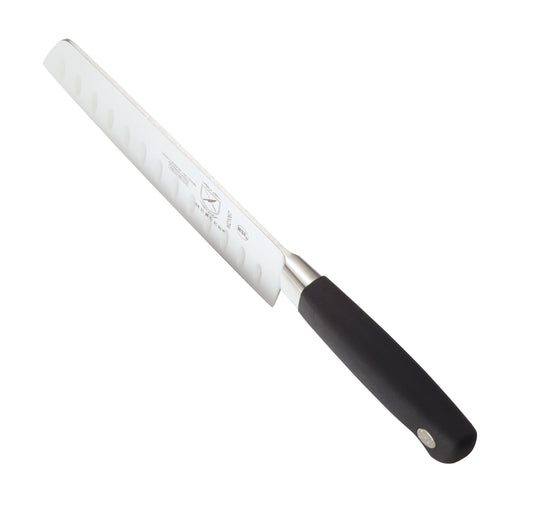
Mercer Genesis Nakiri Knife, 7", Black - M20907
SKU: 1196/M20907Available to shipRegular price $99.34 CADSale price $99.34 CAD Regular priceUnit price per$0.00 CAD -
Zwilling Miyabi 5000 MCD Shotoh Knife, 5.5", Birch - 1002023
SKU: 003/1002023Available to shipRegular price $297.54 CADSale price $297.54 CAD Regular priceUnit price per$0.00 CAD -
Zwilling Miyabi 5000 MCD Gyutoh Knife, 9.5", Birch - 1002011
SKU: 003/1002011Available to shipRegular price $454.14 CADSale price $454.14 CAD Regular priceUnit price per$0.00 CAD -
Zwilling Miyabi 5000 MCD Gyutoh Knife, 8", Birch - 1002009
SKU: 003/1002009Available to shipRegular price $391.50 CADSale price $391.50 CAD Regular priceUnit price per$0.00 CAD -
Zwilling Miyabi 5000 FC-D Shotoh Knife, 4.5", Pakka Black - 1002131
SKU: 003/1002131Available to shipRegular price $171.19 CADSale price $171.19 CAD Regular priceUnit price per$0.00 CAD -
Zwilling Miyabi 5000 FC-D Gyutoh Knife, 9.5", Pakka Black - 1002142
SKU: 003/10021421-3 Week Lead TimeRegular price $269.01 CADSale price $269.01 CAD Regular priceUnit price per$0.00 CAD -
Mercer Santoku Knife, 7", Beige - M24407PL
SKU: 1196/M24407PL1-3 Week Lead TimeRegular price $66.25 CADSale price $66.25 CAD Regular priceUnit price per$0.00 CAD