-
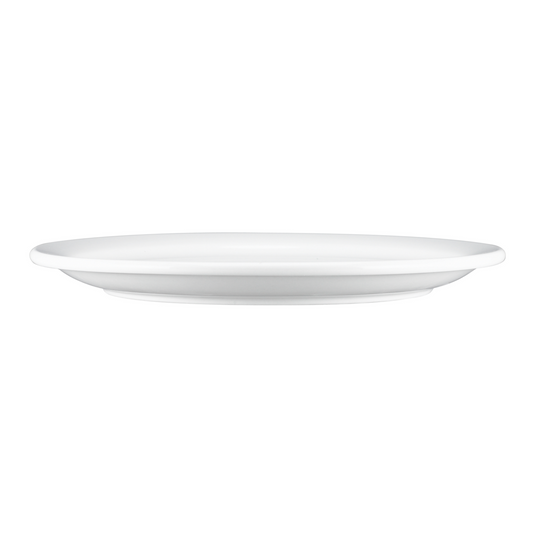
Cambro Camwear Narrow Rim Plate, 7.25", Blue - 725CWNR401
SKU: 025/725CWNR401Available to shipRegular price $9.80 CADSale price $9.80 CAD Regular priceUnit price per$0.00 CAD -
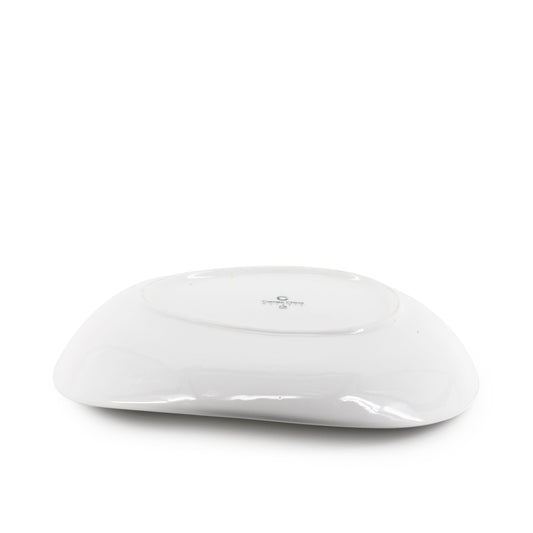
Browne Palm Dinner Plate, 9", White (24-pack) - 563964
SKU: 016/563964Available to shipRegular price $88.18 CADSale price $88.18 CAD Regular priceUnit price per$0.00 CAD -
Browne Palm Side Plate, 6.5", White (36-pack) - 563962
SKU: 016/563962Available to shipRegular price $67.02 CADSale price $67.02 CAD Regular priceUnit price per$0.00 CAD -
G.E.T. Milano Round Plate, 15", Black Melamine (6-pack) - ML-84-BK
SKU: 689/ML-84-BKAvailable to shipRegular price $176.67 CADSale price $176.67 CAD Regular priceUnit price per$0.00 CAD -
Libbey World Tableware Slate Rectangle Coupe Plate, 16.25" x 5.5", White (12-pack) - SL-22C
SKU: 149/SL-22CAvailable to shipRegular price $193.85 CADSale price $193.85 CAD Regular priceUnit price per$0.00 CAD -
Front of the House Spiral Rectangular Plate, 14" x 7", White (4-pack) - DDP004WHP21
SKU: 298C/DDP004WHP21Available to shipRegular price $226.88 CADSale price $226.88 CAD Regular priceUnit price per$0.00 CAD -
Tableware Solutions Continental Blue Dapple Oval Ear Dish, 8.46", Blue (24-pack) - 50RUS121-141
SKU: 674/50RUS121-141Available to shipRegular price $566.13 CADSale price $566.13 CAD Regular priceUnit price per$0.00 CAD -
Libbey World Tableware Porcelana Narrow Rim Plate, 7 1/4" (36-pack) - 840-420N-12
SKU: 149/840-420N-12Available to shipRegular price $73.86 CADSale price $73.86 CAD Regular priceUnit price per$0.00 CAD -
Available to shipRegular price $248.84 CADSale price $248.84 CAD Regular priceUnit price per
$0.00 CAD -
Available to shipRegular price $220.32 CADSale price $220.32 CAD Regular priceUnit price per
$0.00 CAD -
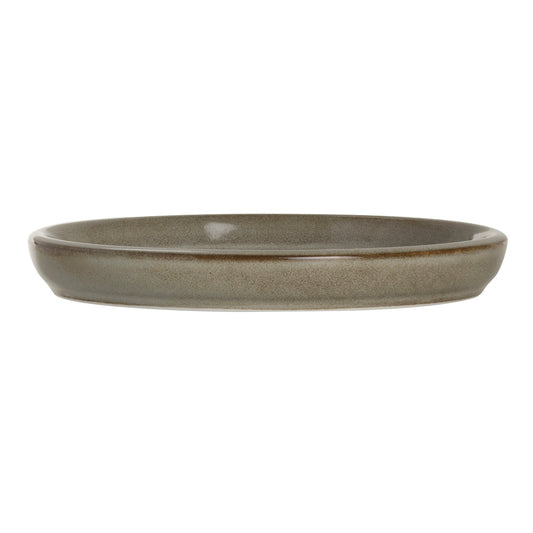
Steelite Potter's Collection Round Tray, 6 1/2", Storm (24-pack) - 6124RG002
SKU: 066/6124RG002Available to shipRegular price $329.18 CADSale price $329.18 CAD Regular priceUnit price per$0.00 CAD -
Cameo Ovation Egg Shape Plate, 10 9/16" x 8 7/8" (18-pack) - 710-G105
SKU: 1005/710-G105Available to shipRegular price $316.54 CADSale price $316.54 CAD Regular priceUnit price per$0.00 CAD -
Tableware Solutions Continental Plain White Wide Rim Plate, 8" (24-pack) - 55CCPWD009
SKU: 674/55CCPWD009Available to shipRegular price $207.60 CADSale price $207.60 CAD Regular priceUnit price per$0.00 CAD -
Churchill Retro Blue Large Coupe Plate, 11 5-16", White/Blue (12-pack) - WHBBEV111
SKU: 1063/WHBBEV111Available to shipRegular price $608.28 CADSale price $608.28 CAD Regular priceUnit price per$0.00 CAD -
Final SaleAvailable to shipRegular price $662.40 CADSale price $662.40 CAD Regular priceUnit price per
$0.00 CAD -
Available to shipRegular price $573.84 CADSale price $573.84 CAD Regular priceUnit price per
$0.00 CAD -
Steelite Potter's Collection Round Tray, 6 1/2", Pier (24-pack) - 6121RG002
SKU: 066/6121RG002Available to shipRegular price $329.18 CADSale price $329.18 CAD Regular priceUnit price per$0.00 CAD -
Arcoroc Fleur Plate, 7.5", Glass (36-pack) - J0232
SKU: 2150/J0232Available to shipRegular price $348.63 CADSale price $348.63 CAD Regular priceUnit price per$0.00 CAD -
Libbey World Tableware Porcelana Narrow Rim Plate, 9" (24-pack) - 840-425N-13
SKU: 149/840-425N-13Available to shipRegular price $91.74 CADSale price $91.74 CAD Regular priceUnit price per$0.00 CAD -
Available to shipRegular price $367.92 CADSale price $367.92 CAD Regular priceUnit price per
$0.00 CAD -
Libbey World Tableware Porcelana Square Coupe Plate, 12", White (12-pack) - 840-475S
SKU: 149/840-475SAvailable to shipRegular price $182.74 CADSale price $182.74 CAD Regular priceUnit price per$0.00 CAD -
Libbey World Tableware Porcelana Square Coupe Plate, 7 1/4", White (36-pack) - 840-460S
SKU: 149/840-460SAvailable to shipRegular price $154.29 CADSale price $154.29 CAD Regular priceUnit price per$0.00 CAD -
Steelite Craft Coupe Plate, 6", Terracotta (36-pack) - 11330568
SKU: 066/113305681-3 Week Lead TimeRegular price $781.02 CADSale price $781.02 CAD Regular priceUnit price per$0.00 CAD -
Cambro Camwear Narrow Rim Plate, 9", Blue - 9CWNR401
SKU: 025/9CWNR401Available to shipRegular price $10.83 CADSale price $10.83 CAD Regular priceUnit price per$0.00 CAD