-
Browne Thermalloy Round Seasoned Cast Iron Skillet, 8" - 573728
SKU: 016/573728Available to shipRegular price $29.31 CADSale price $29.31 CAD Regular priceUnit price per$0.00 CAD -
61% offFinal SaleAvailable to shipRegular price $23.13 CADSale price $23.13 CAD Regular priceUnit price per
$60.85 CADSale -
65% offFinal SaleAvailable to shipRegular price $24.13 CADSale price $24.13 CAD Regular priceUnit price per
$69.89 CADSale -
Lodge Cast Iron Skillet, 6.5" - L3SK3INT
SKU: 644/L3SK3INTAvailable to shipRegular price $35.47 CADSale price $35.47 CAD Regular priceUnit price per$0.00 CAD -
57% offFinal Sale
Lodge Cast Iron Skillet, 8", FINAL SALE - L5SK3INT
SKU: 644/L5SK3INTAvailable to shipRegular price $24.71 CADSale price $24.71 CAD Regular priceUnit price per$57.78 CADSale -
54% offFinal Sale
Lodge Cast Iron Skillet, 9", FINAL SALE - L6SK3INT
SKU: 644/L6SK3INTAvailable to shipRegular price $29.55 CADSale price $29.55 CAD Regular priceUnit price per$64.45 CADSale -
31% offFinal Sale
Lodge Dual Handle Skillet, 8", Carbon Steel, FINAL SALE - CRS8DLH
SKU: 644/CRS8DLHAvailable to shipRegular price $47.73 CADSale price $47.73 CAD Regular priceUnit price per$69.83 CADSale -
31% offFinal SaleAvailable to shipRegular price $170.46 CADSale price $170.46 CAD Regular priceUnit price per
$249.38 CADSale -
Browne Thermalloy Paella Pan, 3 qt, Stainless Steel - 5724172
SKU: 016/57241721-3 Week Lead TimeRegular price $105.24 CADSale price $105.24 CAD Regular priceUnit price per$0.00 CAD -
Browne Thermalloy Paella Pan, 3.7 qt, Stainless Steel - 5724173
SKU: 016/5724173Available to shipRegular price $137.58 CADSale price $137.58 CAD Regular priceUnit price per$0.00 CAD -
Winco Paella Pan, 14 1/8", Steel - CSPP-14
SKU: 129/CSPP-141-3 Week Lead TimeRegular price $38.45 CADSale price $38.45 CAD Regular priceUnit price per$0.00 CAD -
Winco Paella Pan, 23", Steel - CSPP-23
SKU: 129/CSPP-231-3 Week Lead TimeRegular price $105.58 CADSale price $105.58 CAD Regular priceUnit price per$0.00 CAD -
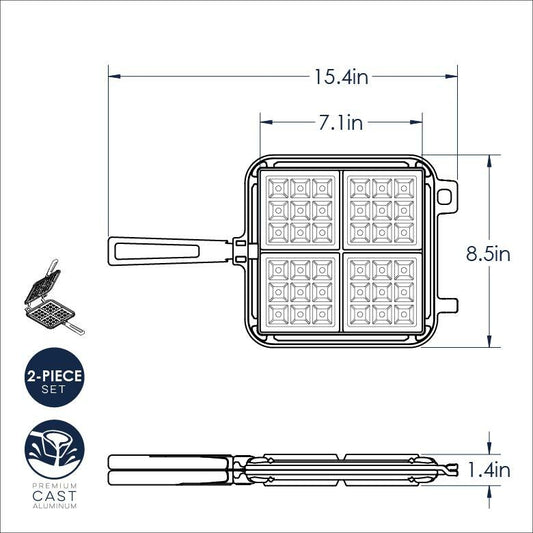
Nordic Ware Original Belgian Waffle Pan - 15040
SKU: 2886/150401-3 Week Lead TimeRegular price $417.15 CADSale price $417.15 CAD Regular priceUnit price per$0.00 CAD