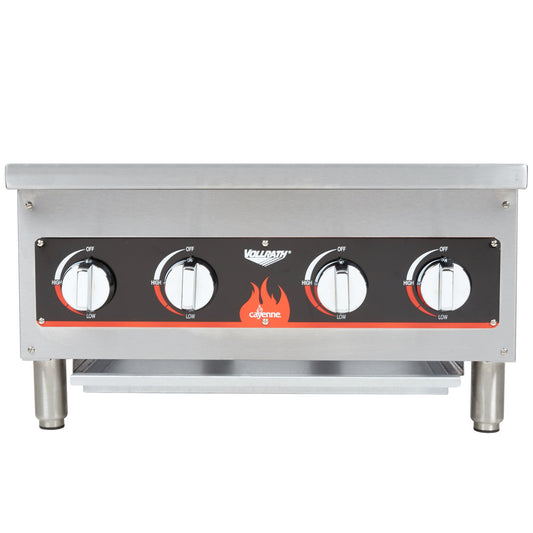
Commercial countertop equipment helps you add output quickly without rebuilding your cookline. This collection includes commercial kitchen equipment designed for speed, repeatability, and durability—ideal for cafés, QSR, catering, commissaries, healthcare, and multi-unit operations.
If you need the biggest immediate impact on speed of service, start with the countertop unit that removes the current bottleneck—typically a commercial microwave, toaster, or press. Then add dedicated cooking or precision equipment (like countertop ranges or sous vide) as volume and menu complexity grow.
What counts as commercial countertop equipment?
Commercial countertop equipment includes compact, commercial-grade appliances designed to sit on counters for cooking, heating, holding, or beverage prep—built for higher output and durability than residential units.
How do I choose the right countertop equipment for my kitchen?
Start with the bottleneck (heating, holding, finishing, or speed of service), then match the unit to your throughput, menu items, available counter space, and power/ventilation requirements.
What should I check before buying (power and installation)?
Confirm voltage, amperage, plug type, and whether the unit needs ventilation clearance. Also verify counter depth, service access, and any local code requirements for your operation.
When should I pick induction vs. electric countertop cooking equipment?
Induction is efficient and keeps ambient heat lower, but requires induction-compatible cookware. Electric options can be more universal for cookware, depending on the unit type and station needs.
Can countertop equipment increase throughput without a full kitchen remodel?
Yes. Countertop units can add capacity fast by creating a dedicated station (breakfast, sandwich, hot holding, or finishing) without changing your main line.
What countertop equipment is most common for cafés and QSR?
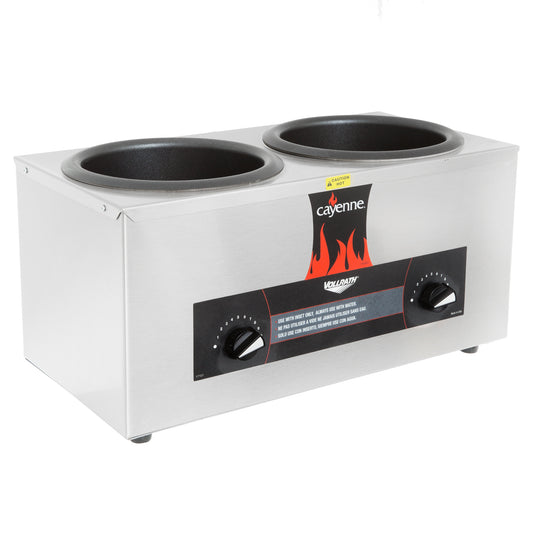
Common picks include commercial microwaves, toasters, panini presses, warmers, and rice cookers/warmers—chosen based on speed of service and menu mix.
How do I maintain commercial countertop equipment for longer life?
Follow daily cleaning procedures, keep vents and filters clear, avoid blocking airflow, and verify that staff use the correct settings to reduce overheating and premature wear.