Ice Machines, dispensers & bins for Canadian restaurants, bars & cafés
Keep every drink cold and every prep station ready with commercial ice machines sized for real foodservice operations in Canada. This collection brings together modular and undercounter ice makers, ice and water dispensers, ice dispensers and ice storage bins so you can match the right ice production and storage to your bar, dining room, prep kitchen or self-serve area. [oai_citation:1‡Russell Hendrix](https://russellhendrix.com/collections/ice-makers)
Whether you run a busy cocktail bar, neighbourhood pub, hotel, café or institutional kitchen, the right ice setup helps keep beverages consistent, food safe and service moving during peak periods. Choose from leading brands like Hoshizaki, Scotsman and Ice-O-Matic, plus Cambro ice bins and accessories, with capacities and ice styles to fit everything from compact undercounter stations to high-volume back-of-house production. [oai_citation:2‡Russell Hendrix](https://russellhendrix.com/collections/ice-makers)
Types of commercial ice equipment in this collection
Use the filters on this page to narrow down the ice equipment that best fits your menu, layout and service style:
-
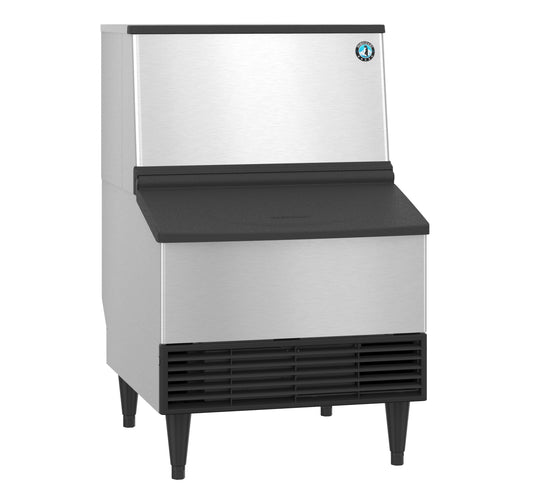
Ice makers: Dedicated ice-making heads that sit on top of a bin or dispenser and produce cube, crescent, flake, nugget/cubelet, top-hat or specialty ice.
-
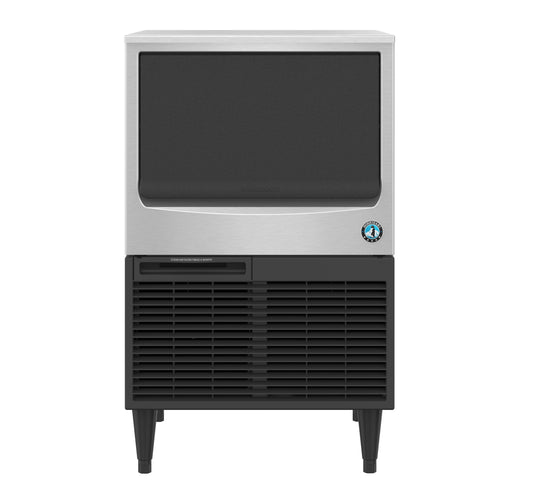
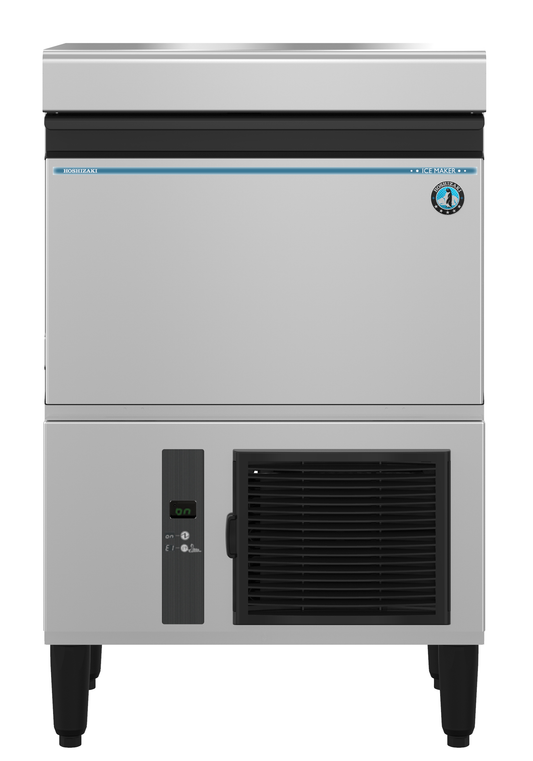
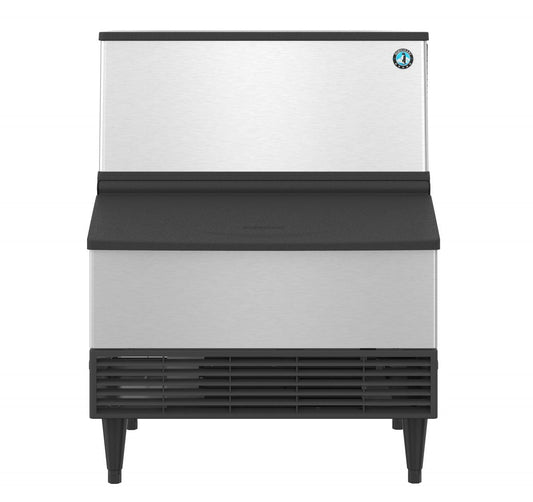
Undercounter ice makers: Self-contained units that fit under counters and bars, ideal for smaller restaurants, cafés, server stations and satellite bars.
-
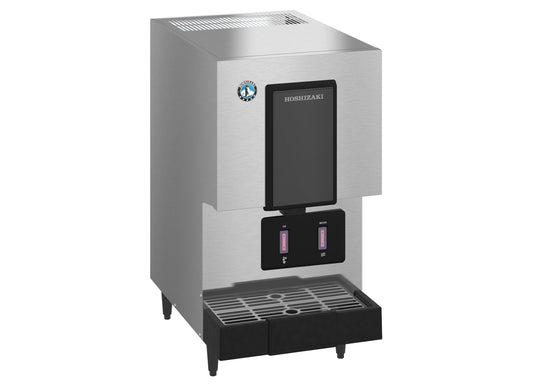
Ice and water dispensers: Combined ice and water stations for self-serve, hotel or healthcare use where guests or staff dispense ice directly into cups. [oai_citation:3‡Russell Hendrix](https://russellhendrix.com/collections/ice-makers)
-
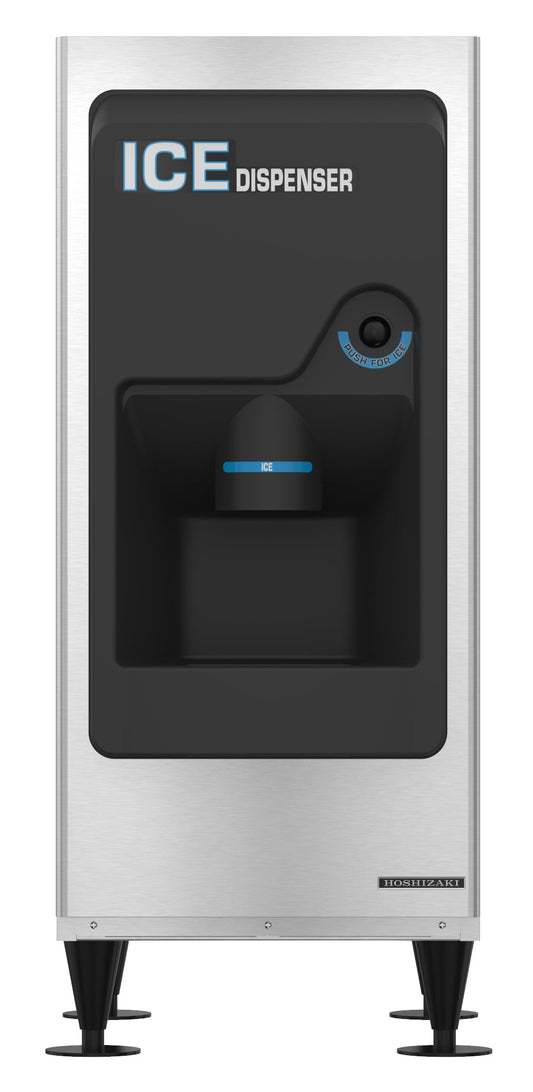
Ice dispensers: Ice-only dispensers that pair with an ice machine head to deliver portioned ice without scooping.
-
Ice bins: Insulated storage bins that hold ice from a remote or modular ice maker and keep it accessible for bar, restaurant or banquet service.
In many Canadian restaurants and bars, a common setup is a modular ice maker on a bin in the back of house plus one or more undercounter units on the bar. Hotels, QSR and institutional operations often add ice and water dispensers so guests or staff can safely dispense ice without handling the bin.
Ice styles, capacity & choosing the right machine
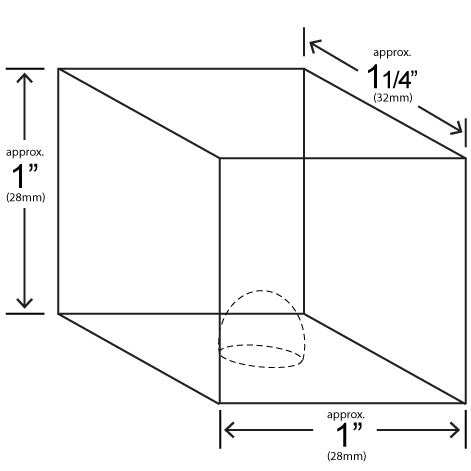
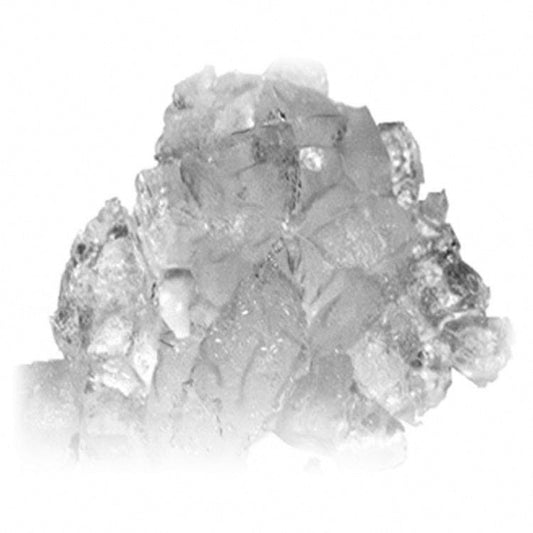
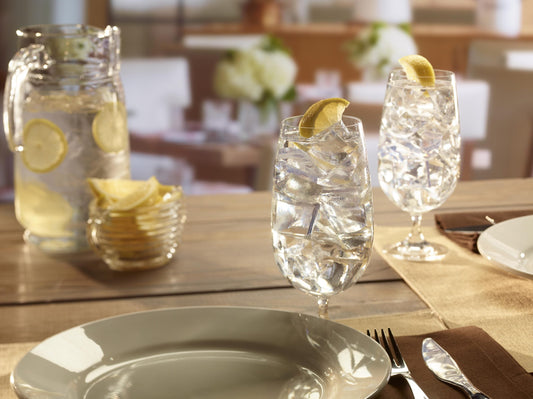
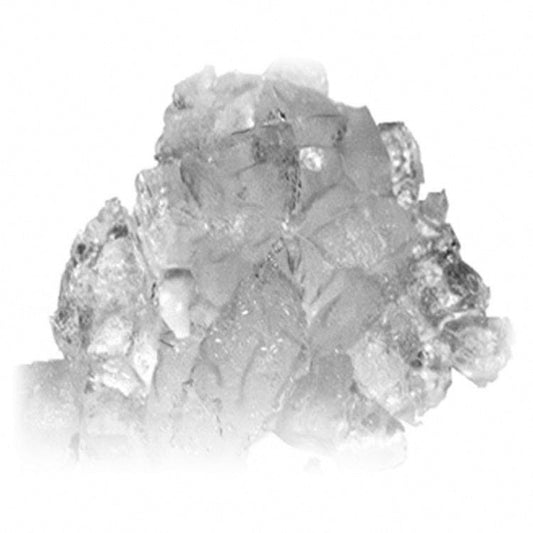
Different ice types support different parts of your menu. Clear cubes and top-hat or sphere ice are popular for cocktails and spirits, crescent and half-cubes work well in general beverage service, and flaked or nugget/cubelet ice shines in blended drinks, healthcare and food display. The style filter on this page lets you focus on the ice shapes that best match your beverage program and presentation goals. [oai_citation:4‡Russell Hendrix](https://russellhendrix.com/collections/ice-makers)
Capacity is usually rated as pounds of ice produced per 24 hours. To size correctly, consider your peak hourly demand, how long your peak periods last, and how much storage you need to bridge busy shifts. Bars and restaurants with strong cocktail or patio business will typically need more capacity per seat than breakfast or café concepts. Use the capacity and width filters to quickly shortlist machines that fit both your ice demand and your available footprint. [oai_citation:5‡Russell Hendrix](https://russellhendrix.com/collections/ice-makers)
Water filtration is also critical. A properly sized filter helps protect the ice machine from scale and sediment, improves ice clarity and taste, and can reduce service calls. When planning your ice setup, budget for a filtration system and regular cartridge changes as part of your ongoing operating cost.
Frequently Asked Questions about Commercial Ice Machines
Which commercial ice machine is best for a restaurant or bar?
For most Canadian restaurants and bars, a modular cube or crescent ice maker on a storage bin is the primary workhorse, paired with an undercounter unit at the bar or server station. Choose an ice style that fits your beverage program—clear cubes or top-hat ice for cocktails and spirits, crescent or cube ice for general drink service, and flaked or nugget/cubelet ice for blended drinks and soft beverages. Bars with a strong cocktail focus often invest in higher-end ice styles and larger capacity to get through peak hours without running out.
What is the difference between an ice maker, an ice dispenser and an ice and water dispenser?
An ice maker produces ice and typically drops it into a bin or dispenser. An ice dispenser stores ice and dispenses it directly into cups, glasses or buckets without scooping. An ice and water dispenser combines both ice and chilled or ambient water from the same unit, which is common in hotels, healthcare, offices and self-serve drink stations. In many cases, ice makers are paired with a bin or dispenser to create a complete system.
How do I size a commercial ice machine for my operation?
Start by estimating how many pounds of ice you use on a busy day and how that demand is spread across meals or dayparts. As a rough guideline, many restaurants plan for 1–2 pounds of ice per guest, while cocktail-heavy bars and patios may need significantly more. Add in ice for food display, blending, ice baths and any healthcare or staff use. Once you have a daily estimate, choose an ice machine with a 24-hour production rating that covers your peak periods and pair it with a bin large enough to hold ice between rushes.
Which ice style should I choose: cube, crescent, flaked, nugget or specialty ice?
Cube and crescent ice are reliable all-purpose options for most restaurants and quick-service operations. Flaked ice works well for seafood displays, healthcare, blended drinks and applications where ice will surround product. Nugget or cubelet ice is popular for soft drinks and healthcare because it is chewable and packs well in cups. Top-hat, clear cube and sphere ice are often chosen for premium cocktails and spirits where clarity and slow melt are important. The best choice depends on your menu, bar style and guest expectations.
Do I need a separate ice bin if I buy an ice machine?
It depends on the type of machine. Many modular ice maker heads are designed to sit on top of a separate ice bin or ice dispenser and will not store ice on their own. Undercounter ice machines and some self-contained units include built-in storage. When planning your setup, confirm whether the model you’re considering is self-contained or requires a separate bin, and make sure the bin size matches your peak storage needs.
How important is water filtration for commercial ice machines?
Water filtration is strongly recommended for Canadian foodservice operations. A properly sized filter can reduce scale, sediment and chlorine, which helps protect the ice machine, improve ice clarity and taste, and lower the risk of clogging and premature component wear. Many manufacturers require filtration and regular cartridge replacement as part of their warranty terms, so it’s best to treat filtration as an essential part of your ice system rather than an add-on.
How often should I clean and sanitize a commercial ice machine?
Cleaning frequency depends on your water quality and environment, but many restaurants schedule full cleaning and sanitizing at least every 3–6 months, with more frequent service in hard-water or high-yeast environments (such as bakeries and breweries). Follow the manufacturer’s instructions for descaling, cleaning and sanitizing, and plan regular filter changes. Between deep cleans, train staff to keep the area around the machine tidy, wipe exterior surfaces and ensure the bin lid or dispenser chute remains closed when not in use.
Where should I locate an ice machine in my restaurant layout?
Place ice machines where staff can access them quickly without crossing busy traffic lanes. Bars usually keep an undercounter or small machine behind the bar, with a larger modular unit and bin in the back of house for bulk production. Ensure the location meets the manufacturer’s requirements for clearance, ventilation, water supply, drain access and electrical service. Avoid placing ice machines directly beside fryers, ovens or in areas with heavy airborne grease, as this can shorten service intervals and affect performance.