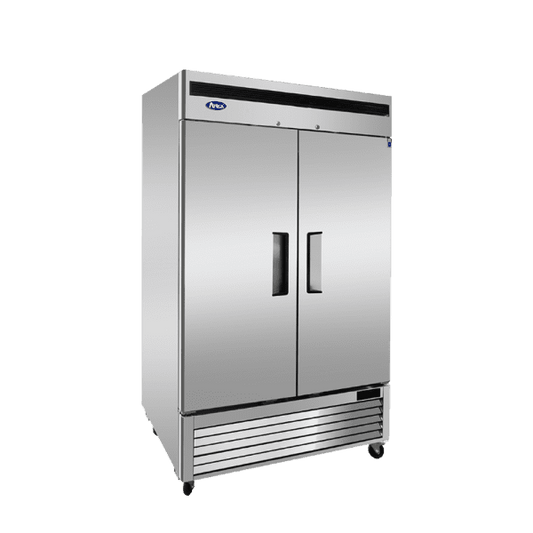
Collection: Freezers

47 products

Reach-in, undercounter, merchandising & blast freezers for Canadian kitchens

Protect your inventory and maintain the cold chain with commercial freezers designed for real foodservice operations in Canada. This collection brings together reach-in and undercounter freezers, merchandising freezers, blast chillers and freezer parts and accessories so you can match the right frozen storage to every area of your restaurant, café, bar or institutional kitchen.

Whether you are holding prepared items for service, storing bulk proteins or displaying packaged frozen goods, these units are built to maintain consistent low temperatures, recover quickly after door openings and stand up to daily use. Choose from leading brands and footprints to support everything from compact back-of-house kitchens to multi-station lines and front-of-house retail displays.

Types of commercial freezers in this collection

Use the filters on this page to focus on the freezer formats that best support your menu and layout:

  • Reach-in freezers: Upright, solid- or glass-door cabinets for bulk frozen storage in the kitchen.
  • Undercounter freezers: Low-profile units that slide under counters or bar tops to keep frozen items close at hand.
  • Merchandising freezers: Glass-door freezers for retail and grab-and-go displays of packaged frozen products.
  • Blast chillers / shock freezers: Specialized units designed to chill or freeze hot food rapidly to help support HACCP and quality.
  • Refrigerator/freezer parts & accessories: Shelves, gaskets, hardware and service parts to keep existing freezers running at their best.

In many Canadian restaurants, a combination of one or two reach-in freezers for bulk storage plus strategically placed undercounter units on the line delivers the best balance of capacity and speed. Merchandising freezers help drive add-on sales in front-of-house, while blast chillers support larger production kitchens, commissaries and operations with strict food safety programs.

Frozen holding, food safety & energy use

Commercial freezers are a key control point in any food safety program. Units in this collection are designed to hold food at typical frozen-storage targets so you can keep product well below the temperature danger zone and maintain quality over time. Solid door construction, effective door gaskets and consistent airflow all help keep cabinet temperatures stable during busy service.

Many newer freezers use high-efficiency compressors, better insulation and low-GWP refrigerants such as R290 to reduce energy use and environmental impact. When you compare models, look at capacity, footprint, door style and listed energy consumption together so you can choose equipment that fits your kitchen and your utility budget over the long term.

Not sure which freezer format you need? Start by mapping out what must be frozen, where it will be used, and how often staff will access it. Then use the product filters or connect with the Russell Hendrix team to shortlist commercial freezers that match your menu, volume and available space.

Frequently Asked Questions about Commercial Freezers

Which commercial freezer is best for a restaurant kitchen?

For most Canadian restaurant kitchens, a reach-in freezer is the primary workhorse for bulk storage of meats, seafood and prepared items. Undercounter freezers are ideal for keeping smaller quantities of frozen food close to the line or bar, while merchandising freezers work best in front-of-house where guests can see and select packaged frozen products. Larger production or commissary kitchens may also add a blast chiller to quickly chill or freeze batches of cooked food.

How do I choose between reach-in, undercounter and merchandising freezers?

Choose reach-in freezers when you need maximum storage capacity in the smallest footprint and staff will mostly access the unit in the back of house. Undercounter freezers fit under counters and are a strong choice for line stations, pizza make-lines, dessert stations and bars where frozen product must be within arm’s reach. Merchandising freezers, with glass doors and interior lighting, are designed for guest-facing retail areas and impulse sales rather than main kitchen storage.

What temperature should a commercial freezer run at in Canada?

In most Canadian foodservice operations, commercial freezers are set to hold food at approximately -18 °C (0 °F) or lower. This helps keep product safely frozen and supports both food safety and product quality. Use a thermometer to verify cabinet temperatures in multiple locations, log readings according to your HACCP or food safety plan, and follow guidance from your local public health authority.

What is the difference between a commercial freezer and a blast chiller?

A standard commercial freezer is designed to hold already-frozen food at a consistent low temperature over time. A blast chiller or shock freezer is built to pull heat out of hot or warm food very quickly, moving it through the temperature danger zone in a controlled way. Many blast units can both chill and freeze, and are commonly used in higher-volume or cook-chill operations where food safety and product quality over time are critical.

How do I size a commercial freezer for my menu and volume?

Start with your menu mix and delivery schedule: how much frozen product you keep on hand, how often trucks arrive, and how quickly items turn over. A small café might only need a single reach-in plus an undercounter on the line, while a higher-volume restaurant or multi-unit group may require multiple full-door freezers or a mix of reach-in and undercounter units in different zones. Build in extra capacity for busy seasons, limited-time offers and unexpected demand spikes.

How can I reduce frost build-up and maintain freezer performance?

To reduce frost, keep doors closed as much as possible, check door gaskets regularly for damage, and avoid overloading shelves in a way that restricts airflow. Make sure products are wrapped and cooled before freezing, and follow the manufacturer’s guidance for defrost cycles. In very busy Canadian kitchens, adding simple practices like grouping items by use and planning pulls can also cut down on door-open time and improve performance.

How often should I defrost, clean and service a commercial freezer?

Many modern commercial freezers use automatic defrost, but they still benefit from regular cleaning and inspection. Wipe down interiors, shelves and door gaskets as part of your routine cleaning schedule. Plan deeper cleans a few times per year, including clearing drains and cleaning condenser coils. A yearly service visit from a refrigeration technician can help identify issues early, confirm refrigerant levels and keep your freezers running reliably through Canadian winters and hot summers.