Collection: Scales

57 products

Portion & receiving scales for accurate food cost and inventory

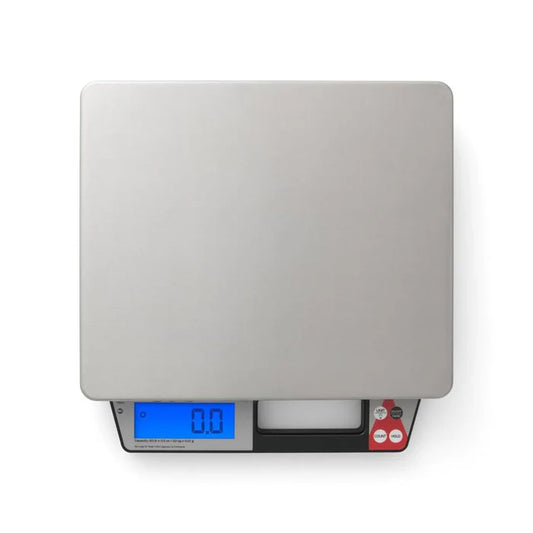
Keep portions consistent and inventory under control with commercial scales designed for Canadian restaurants, bakeries, cafés and institutional kitchens. This collection includes digital portion scales, mechanical portion scales, receiving scales and scale parts and accessories from brands like Kilotech, Taylor, San Jamar, BIOS, Winco, Globe and Yamato, so you can match capacity, readability and platform size to each station in your operation.

From line cooks weighing fries and protein portions to bakers scaling dough and receivers checking incoming cases, the right scale helps protect margins and support food safety. Choose models that offer the units your team needs (grams, kilograms, pounds and ounces), clear displays and durable platforms that stand up to daily service in Canadian kitchens.

Types of commercial scales in this collection

Use the filters on this page to focus on the scale style that best fits your workflow:

  • Digital portion scales: Fast, easy-to-read scales from brands like Kilotech, Taylor and San Jamar for line, expo, bakery and bar stations where speed and precision matter.
  • Mechanical portion scales: Spring and dial scales that provide simple, reliable portion control without relying on power or batteries.
  • Receiving scales: Higher-capacity scales for checking case weights, bulk ingredients and deliveries at the back door or in storerooms.
  • Scale parts & accessories: Adapters and other components to help keep your existing scales in service and aligned with your needs.

Many Canadian operations use a combination of scales: digital portion scales on the line and in the bakery for recipes and plating, mechanical scales as a backup or for quick checks, and a receiving scale to verify deliveries and spot-check bulk ingredients. This layered approach helps you keep food cost in line from back door to plate.

Matching scale capacity & readability to your tasks

Start by thinking about the smallest and largest items each station needs to weigh. A pastry station might need a scale that reads in 1 g increments for precise recipes, while a grill station may prioritize fast ounce readings for burgers and steaks. Receiving scales, on the other hand, need higher capacities measured in kilograms or pounds, with platforms large enough for boxes and bins.

Capacity, readability and platform size should work together. A scale that’s too small or not precise enough can lead to inconsistent portions and recipe results, while an oversize scale at a crowded station can get in the way. For Canadian foodservice operations with bilingual teams, choosing scales with clear unit switching (g/kg and lb/oz) can also make training easier.

If you’re not sure which Kilotech, Taylor, San Jamar or BIOS scale is right for your Canadian kitchen, start with your highest-value menu items, target portion sizes and how often each station uses a scale. If you don’t see the exact scale or accessory you need here, a Russell Hendrix representative can help you review additional options and compatible models.

Frequently Asked Questions about Commercial Scales

How do I choose between digital and mechanical portion scales?

Digital portion scales offer faster, more precise readings and typically switch between grams, kilograms, pounds and ounces at the touch of a button. They are ideal for recipe work, baking and stations where every gram or ounce matters. Mechanical portion scales are simple, durable and don’t rely on power, which makes them a good fit for backup use, rough portion checks and environments where electronics are harder to protect. Many kitchens keep digital scales for precision tasks and mechanical scales for quick visual checks or as a backup.

What capacity and readability do I need for a line or prep station?

For most line and prep applications, a capacity in the 2–10 kg (5–20 lb) range with fine readability works well. Stations focusing on proteins and sides might prioritize readability in ounces, while bakeries often need gram-level precision. Choose a scale that comfortably handles the largest portion you’ll weigh on that station, without maxing out, and make sure the display is easy to read from typical working angles.

When should I use a receiving scale instead of a portion scale?

Use receiving scales when you are checking cases, sacks, bulk ingredients or larger containers, especially at the loading dock or in a storeroom. Receiving scales have higher capacities and larger platforms than portion scales, so they can handle heavy boxes and totes without damage. Portion scales are better suited to individual ingredients and plated items in the kitchen. Many Canadian operators keep at least one dedicated receiving scale to verify deliveries and spot-check inventory weights.

How often should I calibrate or verify my kitchen scales?

The busier the station and the more important portion accuracy is to your food cost, the more often you should check your scales. Many operations perform a quick verification daily or weekly using test weights or known packaged products, then schedule more formal calibration on a regular basis based on manufacturer guidance. If a scale is dropped, overloaded or shows inconsistent readings, it should be checked and recalibrated or replaced before being put back into service.

Are there special scale requirements for regulated or retail applications in Canada?

Some retail and point-of-sale applications in Canada require “legal for trade” scales that are approved for commercial transactions. Many kitchen portion scales used strictly for internal recipes and plating do not need that certification. If you plan to weigh products in view of guests and charge by weight, check current Measurement Canada regulations and confirm that any scale you choose is appropriate for that use. Your Russell Hendrix representative can help you identify options designed for regulated environments.

How should I clean and care for commercial scales?

Wipe down scale platforms and housings regularly with a damp cloth and food-safe cleaner, following the manufacturer’s instructions. Avoid submerging scales or spraying water directly into displays, buttons or seams. For digital models, protect them from heavy impacts and avoid overloading beyond the rated capacity. Keeping platforms free of debris and cleaning up spills quickly helps maintain accuracy and extends the life of scales in busy Canadian kitchens.

What if I don’t see the scale brand or model I’m looking for?

This collection highlights popular commercial kitchen and receiving scales from brands like Kilotech, Taylor, San Jamar, BIOS, Winco, Globe and Yamato. If you do not see a specific capacity, platform size or model listed, a Russell Hendrix representative can help you review additional options, parts and compatible accessories that fit your menu and portioning practices in Canada.